ServicesBiobankingPortfolioWhy UsCareersContact
Now Hiring · Senior Engineers · Berlin / Remote

Engineering medical
infrastructure.

DRYLABS is a Berlin-based technology company. We develop biobanking systems, SaaS platforms, and regulated medical infrastructure — from modular BSL-2 laboratories to cryogenic storage networks.

saas_blueprint.ts
Live Project Metrics
Uptime99.98%
Active Users2.4M
Build StatusPassed
App Rating4.9 ★
Apps Shipped87+
GDPR Compliant ISO 27001 98% Client Retention 99.98% Uptime

Services

Build fast.
Scale faster.

From first wireframe to millions of users — we design, build, and scale B2C applications across every platform. Trusted by 87+ shipped products.

Web Apps & SaaS
Full-stack React, Next.js, serverless. From MVPs to enterprise platforms handling millions of requests.
iOS Development
Native Swift & SwiftUI for the Apple ecosystem. App Store optimization, HealthKit, seamless UX.
Android Apps
Kotlin-first with Jetpack Compose. Material Design 3, offline-first, Google Play excellence.
AI & Machine Learning
Computer vision, NLP, recommendation engines, LLM-powered features that transform UX.

Biobanking

Biobanking
Infrastructure.

DRYLABS develops and operates cryogenic biobanking infrastructure — from decentralized, physician-supervised biomaterial collection to automated vapor-phase liquid nitrogen storage across 36,000 positions. Integrating LIMS-based sample management, validated cold-chain logistics, and modular BSL-2 container laboratories.

Autologous Cell Storage
Long-term cryopreservation of autologous blood-derived cells (PBMCs, mononuclear fractions), tissue biopsies, and derived cell lines. Vapor-phase LN₂ storage below −185 °C with SPREC-coded preanalytical documentation.
Reproductive Cryopreservation
Cryogenic storage infrastructure for reproductive biology — oocytes, spermatozoa, and embryos. ICSI-grade micromanipulation equipment available. Multi-site redundancy protocols for irreplaceable biological material.
Research & Pharma Services
Contracted biobanking for clinical trials, pharmaceutical R&D, and academic research. Standardized workflows aligned with ISBER best practices. 20+ active institutional service contracts.
Decentralized Multi-Site Architecture
Geographic redundancy through distributed storage across independent certified facilities. Insured inter-facility sample transfer via specialized cold-chain logistics partners.

Infrastructure

Technology & operations.

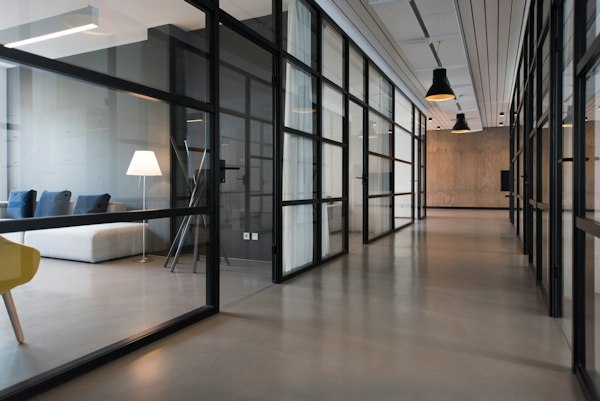
BSL-2 container lab

Core Technology

Modular BSL-2 Container Laboratories

Purpose-built biosafety level 2 laboratories in standardized shipping containers. Fully equipped with laminar flow workbenches, centrifugation, cell isolation, and cryopreservation stations. Deployable to new sites within weeks — enabling horizontal infrastructure scaling at a fraction of conventional laboratory construction costs.

Cryogenic storage

Capacity

Vapor-Phase LN₂ Storage

36,000+ cryogenic storage positions in liquid nitrogen vapor-phase tanks operating below −185 °C. Automated filling systems with heuristic recharge algorithms. CO₂ backup infrastructure. 24/7 sensor monitoring with automated alerting and redundant power supply.

Compliance

Quality & Certification Pathway

Currently establishing certification infrastructure aligned with DIN EN ISO 20387 (Biobanking), GMP guidelines, and BBMRI-ERIC quality management standards. Documented SOPs for all preanalytical and storage processes. SPREC-coded specimen tracking. GDPR-compliant consent management.

ISO 20387GMPBBMRIGDPR

Sampling Network

Physician-Supervised Decentralized Collection

Biomaterial collection at partner clinics under physician supervision (Arztvorbehalt), with standardized kits and documented preanalytical protocols. Validated cold-chain transport to central processing. Compatible with blood draws, skin punch biopsies, and tissue samples. The full chain — from collection through isolation to storage — documented in the LIMS with complete audit trail.

MD-SupervisedCold-Chain ValidatedSOP-StandardizedLIMS-Tracked
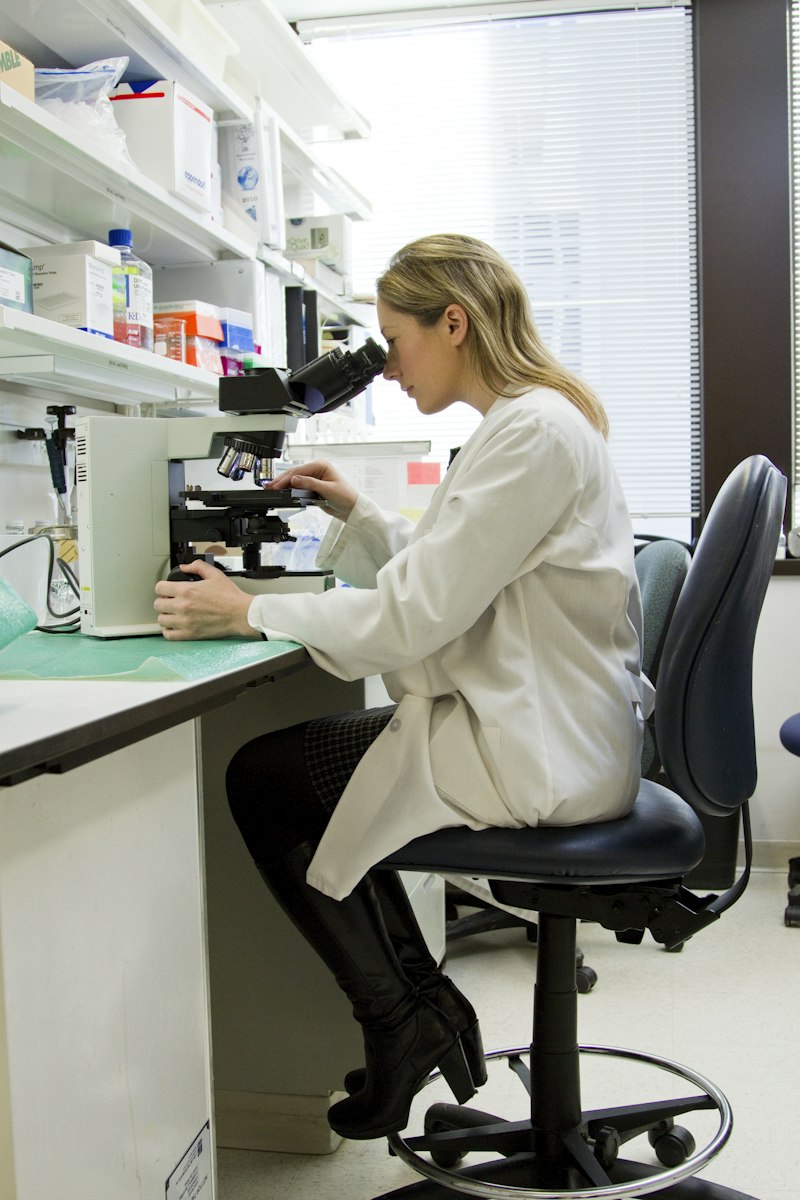
Lab network

Operational History

10+

years of cryogenic biobanking operations

Continuous infrastructure development since 2012.

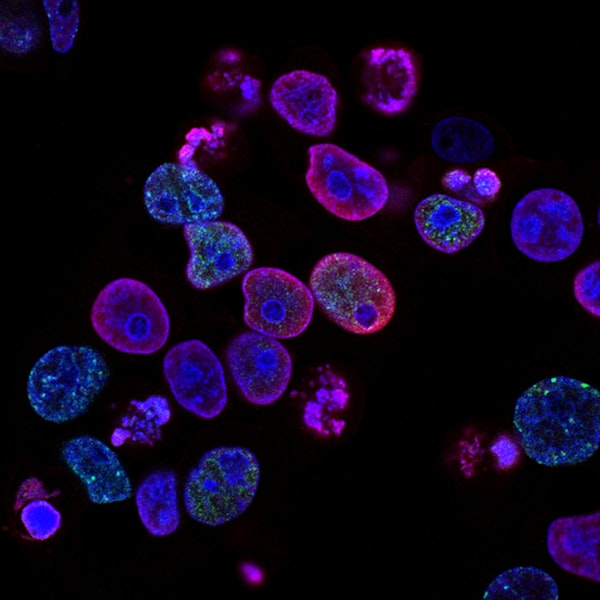
Proven viability of cryopreserved living cells across the full storage lifecycle — collection, isolation, cryopreservation, long-term storage, and retrieval.

Laboratory

Development

A decade of infrastructure.

2012
First biobanking operations within team — cryogenic storage and living cell isolation protocols established.
2015
Scaling of scientific storage infrastructure. Automated tank filling systems and heuristic LN₂ recharge cycles implemented.
2019
Expansion to 15,000+ storage positions. CO₂ backup infrastructure and reliable logistics partner network established.
2020–21
Massive scaling of decentralized sampling infrastructure — nationwide cold-chain validated biomaterial collection during pandemic response.
2022
Expansion to 36,000+ cryogenic storage positions. Automated biobanking LIMS integration and multi-site storage architecture.
2025–26
Certification pathway: DIN EN ISO 20387 accreditation, GMP alignment, BBMRI-ERIC quality framework implementation.

Portfolio

Products that scale to millions.

A selection of B2C applications we've designed, built, and launched — from fintech to health tech to social commerce.

  Start Your Project

Why DRYLABS

Built for results.

Engineering Excellence

Senior Engineers Only — No Juniors, No Compromises

Every team member has 7+ years experience. Clean, tested, documented code your next team can maintain.

Speed

Zero to App Store in 12 Weeks

Agile sprints with weekly demos. Progress every 5 days — not every 5 months.

Tech Stack

Modern Stack — Battle-Tested at Scale

React, Next.js, Swift, Kotlin, Python, TypeScript, AWS, Kubernetes — the right tool for each job.

React / Next.jsSwift / KotlinTypeScriptPython / AI

Process

Transparent Process, Zero Surprises

Weekly demos, Slack access, real-time Jira boards. You always know where your project stands.

DiscoveryDesignBuildLaunchScale

Track Record

87+

apps shipped & counting

Trusted by startups and enterprises across Europe.

From MVP to millions of users — 98% client retention speaks for itself.

Trusted by builders

Real clients.
Real results.

From early-stage startups to funded scale-ups — hear what our partners say.

Careers

Build the future with us.

Remote-first, Berlin HQ. Exceptional engineers shaping the next generation of digital products.

FAQ

Questions answered.

What types of projects does DRYLABS take on?
We specialize in B2C SaaS — web apps, iOS, Android, and AI-powered products. From MVPs to platforms serving millions.
How long does a typical project take?
MVP sprints take 4–8 weeks. Full multi-platform products run 12–20 weeks. Weekly demos keep you in the loop.
Where is DRYLABS based?
German GmbH near Berlin — Straße der Jugend 18, 14974 Ludwigsfelde. Engineering team remote-first across Europe.
Do you handle design as well?
Every project starts with UX research and Figma design. Interactive prototypes and user testing before code.
Can you add AI to an existing app?
Yes — we integrate LLMs, computer vision, NLP into existing products. We audit architecture and propose impactful additions.
What types of biomaterial can be processed and stored?
The infrastructure supports cryopreservation of blood-derived mononuclear cells (PBMCs), tissue punch biopsies, reproductive cells (oocytes, spermatozoa, embryos), and derived cell lines. All materials are SPREC-coded and stored in vapor-phase liquid nitrogen below −185 °C.
How is decentralized biomaterial collection structured?
Collection occurs at partner clinics under physician supervision, using standardized kits with documented preanalytical protocols. Samples are transported via validated cold-chain logistics to the central processing facility. Every step is tracked in the laboratory information management system (LIMS) with full audit trail.
What is the rationale for multi-site storage architecture?
Geographic distribution of biological material across independent facilities mitigates catastrophic loss scenarios — facility failure, natural disaster, infrastructure disruption. Inter-facility transfer is conducted via insured specialized cold-chain transport with continuous temperature monitoring.
Is research collaboration with surplus material possible?
An opt-in framework enables donors to contribute surplus specimens to qualified pharmaceutical and academic research programs. Participation is voluntary, with transparent consent management, full data governance, and defined compensation structures.

Let's build something extraordinary.

Whether you have a fully scoped product or just an idea — we'll ship it.

info@dry-labs.com +49 8744 5934999

drylabs GmbH · Straße der Jugend 18 · 14974 Ludwigsfelde · Deutschland

Apply for Position

Berlin / Remote · Full-time

Application sent! We'll be in touch within 48 hours.